
Transformative Learning Principles that Benefit our Child
Learning principles serve are guides to parents who chose to take the unconventional path to learning.
For children with disabilities, these principles play a vital role in nurturing their unique abilities and fostering a love for learning. In this blog, we delve into four transformative learning principles that benefit our child. These are adaptive and diverse approaches, autonomy, child-led learning, and emphasis on real-life experiences. Join us as we explore how these principles empower children with disabilities to flourish and embrace learning.
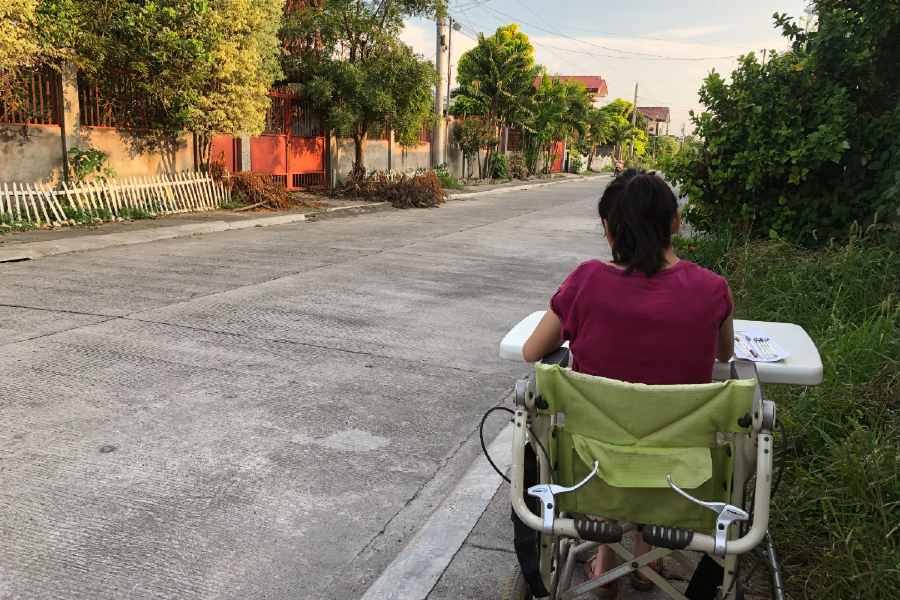
The Four Transformative Learning Principles we go by
When I learned about my daughter’s diagnosis and prognosis, I knew there will be some challenges when it comes to learning. Finding a school that caters to her specific learning style and other challenges has been difficult and frustrating. Not many schools had the right knowledge, training and resources to do so. So, I took it upon myself (back when I was still raising my daughter on my own) to adapt and diversify materials, pace, activities and what to teach her.
I struggled in the beginning but adopting an unschooling mindset, even when we were still enrolled in traditional school, helped. With this mindset, I discovered different methods, styles and principles that fit our values and meet our child wherever she is at.
These different learning principles allow my daughter to grow and develop not only in learning but holistically as well.
Adaptive Learning
Recognizing that every child learns differently, adaptive and diverse approaches cater to individual needs and abilities. For my daughter, this principle ensures that learning is tailored to her specific learning styles, promoting a positive and inclusive educational experience.
By providing such individualized support, my child can fully participate and engage with the learning process, free from the barriers and frustrations which she experienced in a one size fits all approach of conventional education.

In the bigger picture, my child feels valued, understood and respected for her unique capabilities giving her a sense of pride and empowerment.
Moreover, embracing adaptability and diversity helps create a nurturing and compassionate learning environment. My daughter is encouraged to celebrate her strengths and is supported in addressing challenges with patience and encouragement.
As a result, her self-esteem and confidence soar, enabling her to approach learning with a sense of curiosity and enthusiasm, instead of being under pressure to keep up or catch up as in the conventional educational system.
Giving Our Child Autonomy
Speaking of the conventional school system, unlike it, unschooling allows us, both parent and child, a lot of freedom and space. For parents who guide their children in their learning journey, giving kids autonomy is an unlearning process as well, which to me was the more challenging part of this path. That’s because we’re used to the coercive way of teaching in traditional learning setups.
Embracing autonomy allowed my daughter to take the reins of her education. This principle provides her with the freedom to explore and learn at her pace, instilling a sense of self-confidence.
My daughter has the freedom to take control of her learning process, this approach cultivates a deep sense of ownership and responsibility. Embracing autonomy becomes even more transformative, as it provides her with the space and support to explore and learn at her unique pace, fostering a sense of independence.
With such autonomy, my child develops a genuine passion for learning, as her educational journey aligns with her strengths and interests.
Moreover, my daughter gets to witness the positive outcomes of her own decisions and efforts, and her belief in her capabilities grows. She becomes more willing to take on challenges, knowing she has the skills and resources to navigate them independently.
Furthermore, autonomy nurtures problem-solving skills, critical thinking abilities, and the capacity to self-assess and adjust her learning approach when needed.
This independence extends beyond learning and will impact her overall growth and development. These are something I am excited to see in my child as she grows.
Learn different adaptive activities you can enjoy with your child.
Child-Led Learning
Child-led learning is also an unschooling principle that empowers children to follow their passions and interests. For children with disabilities, this principle becomes more significant as it fosters a sense of curiosity and engagement, allowing them to delve into subjects that resonate with their unique strengths and talents.
The lack of a curriculum and lesson plan in the unschooling path, allows us to create a flexible and open environment where our child can freely express her interests. My job is to actively engage with her, observe her preferences and provide resources and opportunities to explore those interests as deeply as she wants. This could involve reading books, watching documentaries, conducting experiments, traveling or engaging in hands-on activities related to her interests.
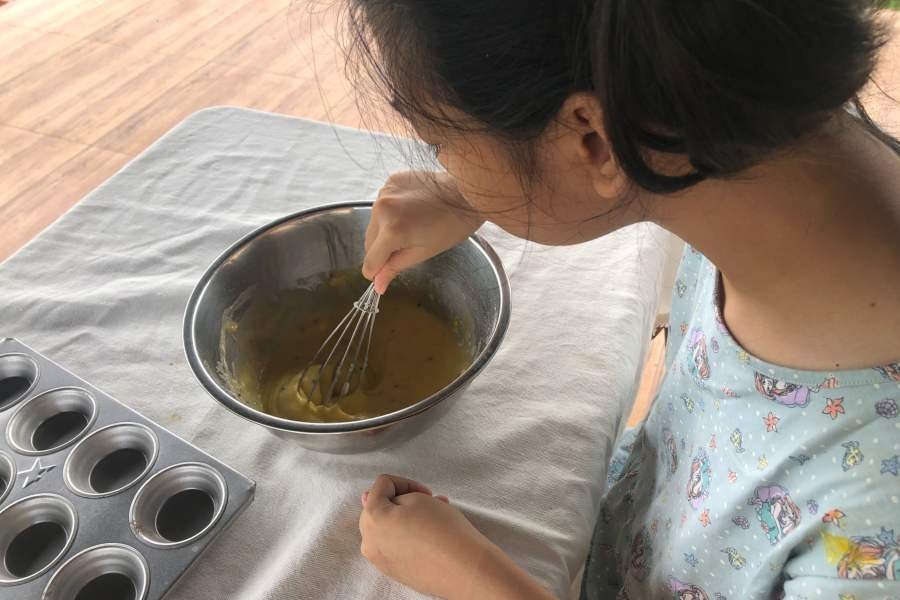
Child-led learning benefits children with disabilities in various ways. Firstly, I observe that it promotes a positive attitude towards education because my daughter genuinely enjoys the learning process when it aligns with what she is interested in. This leads to increased motivation, active engagement, and a thirst for knowledge. There is no need for reward or coercion to get her to get involved.
Secondly, this principle accommodates various learning styles and abilities, creating a supportive and inclusive environment for children with disabilities. My daughter didn’t feel left behind or under pressure to catch up because she feels valued and capable of her abilities. This promotes a strong sense of belonging and self-esteem.
Moreover, I see that my daughter developed life skills such as problem-solving, critical thinking and (somewhat) independent learning, which are crucial for all children of different abilities to thrive in various aspects of life.
Learning is Everywhere
Adopting the unschooling principle that learning is everywhere allows us to not set a limit on where, what, when and how our daughter learns.
Unlike traditional school where learning is confined to the walls of a classroom; instead, we believe that it occurs naturally in every aspect of a child’s life. It emphasizes that learning opportunities exist in various settings, from home, nature, community and social interactions. This principle recognizes that every experience holds the potential to nurture a child’s development and understanding of the world.
“Learning is everywhere” accommodates my daughter’s unique learning style, and pace, including her strengths and interests. In turn, she got a variety of opportunities for learning instead of being confined to a defined one.
This principle helped us, her parents, look at learning not limited to subjects, writing, or reading and all the types that are taught and carried out in a conventional school.
Learning happens in real, daily life experiences, and not limited to four corners of a classroom.

With this principle, my daughter learns important life skills in everything she does. There’s plenty to learn while preparing, during, and after travels. She learns about fermentation when she’s helping me bake bread at home.
There’s a lot to learn in the garden, too, from soil nutrients to different seasons, microorganisms, and how to grow our food. She picks ups budgeting skills when she goes to the market with us.
Taking her to business meetings and other social events fosters a sense of belonging, reduces social isolation and strengthens her communication and interpersonal skills.
There’s plenty of opportunities to learn when we look beyond the classroom.
Emphasis on Real-Life Experiences
By integrating real-life and hands-on learning opportunities, children can better understand concepts and retain information better. This principle bridges the gap between theoretical knowledge and real-world application, ensuring that learning is not confined to textbooks but extends to the everyday experiences of children.
For my daughter, this approach becomes even more crucial, as it caters to their unique learning styles and needs. By engaging her in activities that directly relate to her daily life, she develops a deeper connection to the material, making learning more meaningful and relevant. For instance, she learns about measurements when we’re building her study table or ratio and percentages when she’s helping me bake sourdough bread. Similarly, being a sensory-sensitive child, she can explore the outdoors, gaining first-hand knowledge of nature’s wonders and its benefits to her well-being.
One notable example of this principle in action was during a family trip to the grocery store. Instead of a traditional math lesson, we turned it into an interactive learning experience. We tasked our daughter with creating a shopping list and managing a budget as we navigated the aisles. With each item she placed in the cart, she had to calculate the cost and stay within the allocated budget. Not only did she learn basic math concepts, but she also honed her decision-making and problem-solving abilities in a real-life setting.
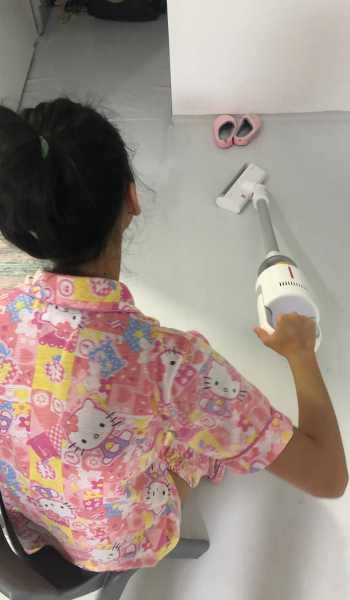
Another way we do this is allowing her to help around the house with tasks she can manage doing on her own, like cleaning her bedroom, folding clothes, and washing the dishes.
Furthermore, we often engage in gardening activities as a means of exploring science and environmental concepts. From planting seeds to observing the growth process, our daughter learns about plant life cycles, nature’s provision, and the importance of nurturing the ecosystem.
The tangible results of her efforts, such as harvesting vegetables for a family meal, bring immense joy and a sense of accomplishment.
Embracing Life and Learning
There are far more learning principles that can benefit our child but going by these, already enriched and empowered our child in her unique learning journey. Furthermore, it provided us with a guide to create the environment and provide the resources which allow her to explore and discover learning opportunities to thrive and reach her full potential, fostering a love for learning that extends far beyond what I used to know.

Hi, I’m Jenny
I’m a wife, mom, and homemaker.
I write stories on motherhood,
mothering and unschooling.

Graceful Responses to Rude Comments about Your Child with a Disability
By responding with grace and confidence, you not only protect your child’s well-being but also foster greater understanding among relatives.

How to Embrace the Little Wins in Special Needs Parenting
Learn how to celebrate everyday wins, and find happiness in the little moments that make a big difference in special needs parenting.
7 Adaptable Unschooling Activities this Summer
With summer in full swing by now, here are seven activities that are disability adaptable, budget-friendly and fun!
join our community
Your Journey, Your Joy
Take your first step today!
Every step forward is a step toward a happier,
more fulfilling life for you and your family. Let’s make
that journey together. Download your free guide