
The Most Valuable Gift a Mother can
Give to Her Child
While it’s heroic to think that sacrificing one’s health and well-being for your child, self-care becomes radical when it should not.
Becoming a mom has changed my life in many ways than I can imagine. The truth is, while it’s the most rewarding experience a woman can possibly have, it’s also very challenging.
Motherhood initiated me into adulthood. It opened me up to put my daughter’s needs above mine. And truly, when your child’s needs become the centre of your life, which is more often the case with mothers of children with disabilities, you easily forget about your own needs.
While it’s heroic to think that sacrificing one’s health and well-being for your child’s sake, self-care becomes radical when it should not. it
In this post, we’ll explore why self-care is the most valuable gift a mother can give her child. If you’re overwhelmed, exhausted and stressed out, keep reading to find out ways to get some TLC with no guilt.
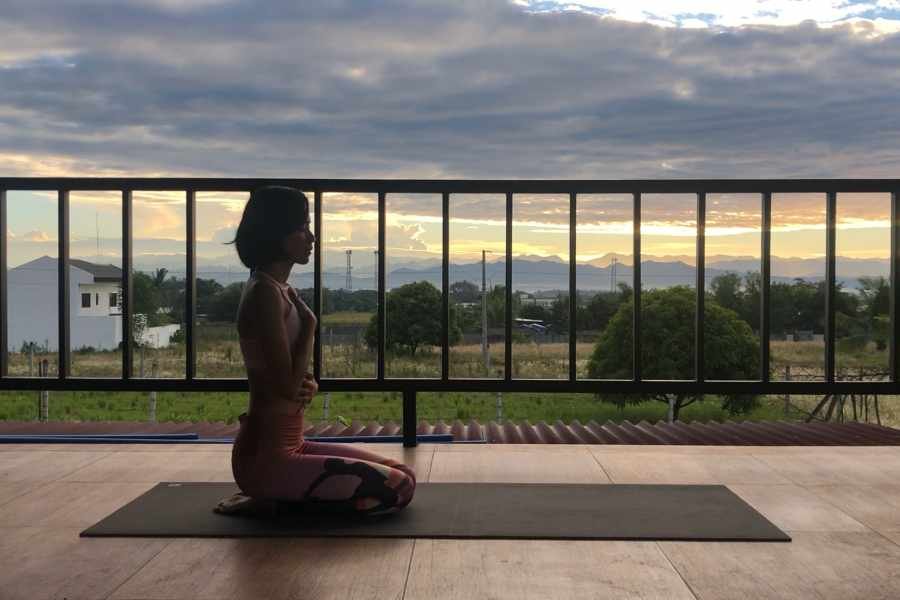
Why Self-Care Is Important for Mothers
Caring for oneself is frequently perceived as a form of lavishness or indulgence. However, in reality, it is one of the most pivotal elements that contribute to preserving excellent physiological and psychological welfare. You need to take care of your child’s high needs.
When mothers prioritise self-care, they have more capacity to handle the challenges that come with parenting. By taking care of their own needs, mothers are better able to manage stress, maintain emotional stability, and avoid burnout. This means that they are able to provide better care for their children and be more present in their lives.
How taking care of yourself can benefit your child
Taking care of yourself is not only essential for your own well-being but can also have a profound impact on your child. As a mother, your well-being directly impacts how you show up for your child. It sets the tone for how you provide the love, support, and care that your child needs.
When you prioritize self-care, you are better equipped to handle the challenges and demands of parenting a child. By taking care of your physical health, you have more energy and vitality to engage with your child and participate in activities together. Your mental and emotional well-being plays a significant role in your ability to remain patient, calm, and present for your child, even during difficult moments.
When children see their parents prioritizing their well-being, they learn its importance and how it contributes to a grounded and fulfilling life.
Self-care also serves as a powerful role model for your child. When they see you prioritizing your well-being, they learn the importance of self-care and how it contributes to a balanced and fulfilling life.
Moreover, when your child sees you practice self-care practices, you teach your child valuable life skills, such as stress management, resilience, and self-compassion.
Holistic Self-care
When we think about self-care, we might think that the only form of it is pampering oneself. Yes, it can also be taking a long bath before sleep, going out on a spa day with friends, going for a run or practising yoga. But self-care goes deeper than just taking care of the outside appearance. Our emotional, mental, spiritual and physical states, the first four aspects that influence our well-being, are all interconnected. When one is dysregulated, it’ll overflow into another aspect. How lack of nutritional balance can lead to emotional dysregulation, which will then affect our mental state.
This is the reason why it’s best to approach self-care in a holistic manner.
Nurturing practice for each aspect of well-being
In my coaching practice, I focus on the first four aspects that affect our well-being. Below are the different ways to nurture each:
Physical: This includes activities that enhance physical well-being. This may include regular exercise, proper nutrition, quality sleep, and engaging in leisurely and enjoyable activities that bring joy and a sense felt relaxation.
Emotional: This can involve activities like journaling, practicing mindfulness or meditation, seeking therapy or counseling, expressing emotions through creative work, and engaging in activities that help you find peace, and safety and expand your capacity to handle emotional stressors.
Mental: Our mental state affects how we perceive and navigate life. Engaging in activities that challenge the mind, managing stress, practicing mindfulness or meditation, and seeking professional help when needed support mental well-being.
Spiritual: This involves nurturing your spiritual or inner self. Practices that can help are meditation, prayer, connecting with nature and engaging in religious or spiritual rituals. Grounding oneself in finding purpose and engaging in activities that are meaningful are other ways to achieve spiritual wellness.
Focusing on these first four will already help one feel more aligned, grounded and nurtured, much more when integrated with the other three aspects.
Find out how to integrate these into the rest of the aspects, which are social, environmental and financial.
By prioritizing self-care, you create positive ripple effects that benefits both of you and your child.
The ultimate gift to your child
Prioritizing self-care is the ultimate gift for mothers of children with disabilities. By nurturing your own well-being physically, emotionally, mentally, and spiritually, you gain the energy, resilience, and capacity to provide the best care for your child. It sets a powerful example and teaches them essential life skills. Embrace self-care as an integral part of your journey and witness the positive impact it has on both you and your child’s well-being. You deserve it, and your child benefits from it.
Remember, taking care of yourself is not selfish—it’s a vital part of being the best parent you can be. By nurturing your own well-being, you create a positive ripple effect that benefits both you and your child in immeasurable ways.
If you want to be more intentional into holistic self-care but don’t know where to start, join my one-on-one mentorship program Flourish has a whole chapter dedicated to holistic self-nurturing practices.

Hi, I’m Jenny
I’m a wife, mom, and homemaker.
I write stories on motherhood,
mothering and unschooling.

Graceful Responses to Rude Comments about Your Child with a Disability
By responding with grace and confidence, you not only protect your child’s well-being but also foster greater understanding among relatives.

How to Embrace the Little Wins in Special Needs Parenting
Learn how to celebrate everyday wins, and find happiness in the little moments that make a big difference in special needs parenting.

Transformative Learning Principles that Benefit our Child
Discover how adaptive, child-led, and real-life experiences learning principles benefit our child.
join our community
Your Journey, Your Joy
Take your first step today!
Every step forward is a step toward a happier,
more fulfilling life for you and your family. Let’s make
that journey together. Download your free guide