
Prioritizing Movement and Exercise for Moms
The more responsibilities you have, the more benefit that you’ll reap from prioritizing movement and exercise.
Engaging in regular physical activity not only benefits your physical health but also has a positive impact on your mental and emotional well-being. That’s why I highly recommend building regular movement and exercise habits, especially if you’re caring for children with disabilities or high needs.
In this blog post, we will explore the numerous benefits of movement and exercise. We will also provide practical tips and strategies to help you incorporate physical activity into your daily routine, prioritize self-care, and enhance your overall well-being.

Benefits of Movement and Exercise
It’s obvious how regular movement and exercise are crucial in improving not only our physical health but other aspects of our well-being as well. By prioritizing movement and exercise, moms can experience a range of advantages.
Firstly, it improves physical health by enhancing strength, flexibility, and overall fitness. Through exercise, moms can build resilience in their bodies, enabling them to better navigate the physical demands of caring for their children.
In addition to improving your physical health, regularly moving and exercising also contribute to your overall mental and emotional wellness. Physical activity releases the “feel-good” hormones or endorphins, which can literally make you feel good, and symptoms of anxiety and depression. Allow your routine to provide you with a healthy outlet for feelings, expanding your capacity to recover and release stress, tension, and negative emotions.
Moreover, movement and exercise increase energy levels and vitality. This will help you cope with fatigue from the different demands you may face in motherhood and in managing your household. By incorporating movement and exercise into your routine, you’ll experience a natural boost in energy, enabling you to fulfil your caregiving responsibilities more effectively.
Engaging in exercise also boosts self-confidence and promotes body positivity.
As you witness your own progress and improvements, you’ll develop a sense of accomplishment and pride in your abilities. Regular physical activity helps many moms like you, appreciate their bodies’ strength and resilience, fostering a positive body image and self-esteem that will echo in how they care for their children.
But even with these benefits, we know that prioritizing exercise is easier said than done. So what are the challenges and barriers that prevent mothers from making it on top of their lists and how do we break through them?
Overcoming Challenges and Barriers
Addressing the different challenges that make it even more difficult for mothers to prioritize movement and exercise is crucial since it can be daunting and even emotional to talk about exercise or self-care for moms in general.
Guilt: One very familiar emotional challenge that you may be familiar of is feelings of guilt. Yes, the mom guilt! It’s common when putting your needs first. By reframing exercise as an investment in your well-being and caregiving abilities, mothers can transform guilt into empowerment. Realizing that taking care of oneself ultimately enhances your capacity to care for your child can be a powerful motivator to prioritize movement.
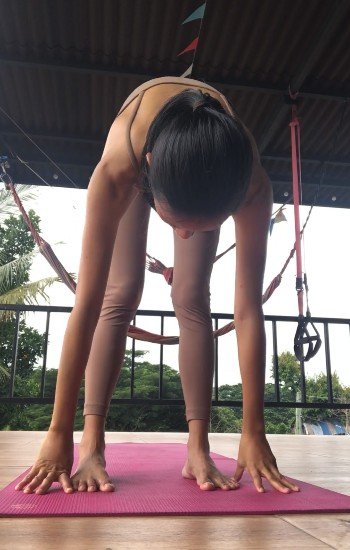
Limited Resources: The lack of or limited resources can present a significant challenge to building regular movement and exercise habits.
Many families of children with a disability survive on one income household since one parent needs to care for their child (childcare for children with high needs is often more expensive than usual).
This can lead to feelings of frustration and even more guilt, making it even more difficult for moms to prioritize their exercise amidst their caregiving responsibilities.
Access free yoga classes that you can do with your child at home.
No one else to look after their child: Many caregiving mothers are looking after their children on their own, full-time. Not many families can afford help, or have someone else to look after their child so they can go to the gym or have at least a few minutes to work out.
Exhaustion: Juggling the responsibilities of childcare, household chores, and possibly a job can leave you feeling drained and depleted of energy. Many families cannot afford outside help and you might find yourself taking care of your child full-time, leaving little room for personal time and self-care.
Exhaustion often takes a toll on your motivation and ability to engage in regular physical activity. After fulfilling numerous demands throughout the day, the mere thought of working out can seem overwhelming. The fatigue may lead to feelings of frustration and guilt, as they recognize the importance of exercise but struggle to find the energy to pursue it.
Making it Possible
We’ve talked about some of the challenges that make it hard for moms to make movement and exercise a priority. But we know that it’s important to stay healthy and well. Here are practical tips and strategies for making physical activities a priority.
Find Suitable Activities: Choose exercises that fit your schedule and preferences. Walking, yoga, and swimming are versatile options that can be adapted to various time constraints and fitness levels. Select activities that resonate with you, making it more likely to stick with them.
Create a Supportive Environment: Create an exercise space that accommodates your child’s needs and interests. Involve them in your workouts or provide activities they can enjoy nearby, fostering a supportive and inclusive environment. This also includes having a support group with whom you can ask for help when you need that space and time for yourself.
Find Joyful Activities: Choose activities that bring joy and allow for bonding with your child. This could be a nature walk, dancing to their favorite music, or playful exercises that promote laughter and connection.
Make it a family affair: Consider adapted sports or dancing that cater to your child’s needs and interests. This not only encourages them to stay active but also strengthens the bond between you.
Enjoy Short Sessions: Break your exercise routine into short, manageable sessions throughout the day. Ten-minute bursts of activity can be as effective as longer workouts and fit better into a busy schedule.
Incorporate in Daily Household Activities: I like to do squats or breath work when I’m cooking in the kitchen. Find opportunities throughout the day to incorporate simple movements in your house chores.
Be Flexible: Embrace flexibility in your exercise routine. Adjust it as needed, depending on your child’s needs and your energy levels.
Remember, even small steps count. When those small efforts compound, they can make a significant impact on your holistic wellness.
Self-care is Not a Luxury
As we, moms of children with disabilities, navigate the complexities and challenges of parenting, it is essential to remember that self-care is not a luxury but a necessity.
By addressing feelings of guilt, seeking support, and exploring community resources, you can overcome challenges and embrace movement as a transformative tool for your physical and emotional well-being. Prioritizing your own health allows you to continue providing love, care, and support to your child, creating a harmonious and thriving family life.

Hi, I’m Jenny
I’m a wife, mom, and homemaker.
I write stories on motherhood,
mothering and unschooling.

Graceful Responses to Rude Comments about Your Child with a Disability
By responding with grace and confidence, you not only protect your child’s well-being but also foster greater understanding among relatives.

How to Embrace the Little Wins in Special Needs Parenting
Learn how to celebrate everyday wins, and find happiness in the little moments that make a big difference in special needs parenting.

Transformative Learning Principles that Benefit our Child
Discover how adaptive, child-led, and real-life experiences learning principles benefit our child.
join our community
Your Journey, Your Joy
Take your first step today!
Every step forward is a step toward a happier,
more fulfilling life for you and your family. Let’s make
that journey together. Download your free guide